Kelly Slater: born 1972, grew up in Cocoa Beach, eleven world titles
Robert Kelly Slater was born February 11, 1972, in Cocoa Beach. By 2026 he had won the World Surf League championship eleven times, the most in surfing history. A documentary biography of the most successful competitive surfer on record.
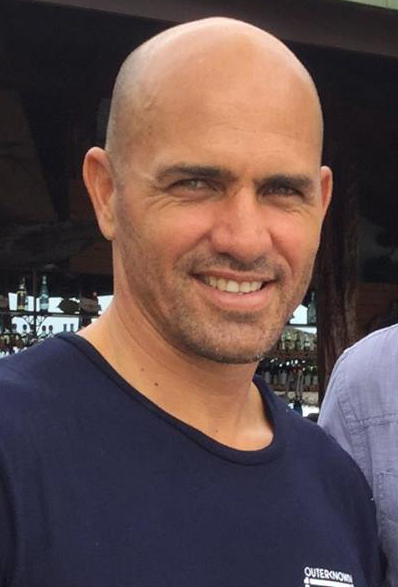
Robert Kelly Slater was born on February 11, 1972, in Cocoa Beach, Florida, to Steve and Judy Slater. He learned to surf as a kid on the Cocoa Beach barrier strip, competed in Eastern Surfing Association amateur events through his teens, turned professional in 1990 at age 18, won his first ASP World Tour event in 1992, won his first World Championship at age 20 that same year (then the youngest world champion ever), and went on to win eleven total World Championships across more than three decades of professional competition. By the metrics that competitive surfing uses, title count, longevity, peer-judged technical excellence, Slater is the most successful competitive surfer in the sport’s documented history.
This piece is the biographical record, not the hagiography. The biography part is documented; the hagiography is for other places.
Early life, 1972 to 1982
Slater grew up in working-class Cocoa Beach. His parents divorced when he was a young child. He, his brothers Sean and Stephen, and their mother lived in modest circumstances on the barrier strip. Steve Slater was a bait-shop operator and surfer; the family’s economic life was unstable through Kelly’s childhood. Slater himself has discussed this period in interviews and in his 2003 autobiography Pipe Dreams: A Surfer’s Journey.
He started surfing as a young child, by his own and family accounts, age five or six, taught by his father and brothers. The Cocoa Beach barrier strip is, as covered in our East Coast surfing piece, a small-but-consistent-wave training environment. Slater logged thousands of hours of practice on these waves through his childhood and adolescence.
Amateur competition, 1982 to 1990
By age 10, Slater was competing in Eastern Surfing Association junior events. By age 12, he was winning them. The ESA’s regional ladder structure, with district and regional events feeding into the annual ESA Easterns championship, gave Slater progressive competition.
He won multiple ESA Easterns titles in his teens. He attracted notice from Dick Catri (Brevard County’s central surf-industry figure, covered in our Catri-period piece), who recruited Slater to the Hobie team in the mid-1980s. The Hobie team-sponsorship gave Slater equipment, travel support, and exposure to the broader competitive scene. By the late 1980s Slater was traveling to amateur events on the West Coast and in Hawaii, accumulating wins and developing the technical surf vocabulary that would later distinguish him.
Slater graduated from Cocoa Beach Junior-Senior High School (Class of 1990) and turned professional within months of graduation.
Professional rise, 1990 to 1992
Slater joined the Association of Surfing Professionals (ASP) World Tour in 1990 at age 18. His first full tour year was 1990, with modest finishes. By 1991 he was winning tour events. In 1992, at age 20, he won his first World Championship, becoming the youngest world champion in surfing history (a record he held for many years).
The 1992 title was a watershed. Slater’s small-wave, finesse-and-speed style was qualitatively different from the power-surfing dominant on the tour through the 1980s, and the judging criteria began evolving in his direction. The 1990s tour gradually became Slater’s tour.
The dominant era, 1992 to 1998
Slater won World Championships in 1992, 1994, 1995, 1996, 1997, 1998. Five of those titles came in consecutive years (1994 through 1998), an unmatched streak in surfing-tour history. By the end of 1998, at age 26, he had won more World Championships than any surfer in history.
Style points: Slater’s surfing was characterized by aggressive, technically demanding aerial maneuvers (still relatively new to professional surfing in the 1990s), unprecedented speed in carving turns, and consistent performance across small-wave and big-wave conditions. His technical innovation pushed the entire tour’s progression.
The mid-career sabbatical and return, 1999 to 2010
Slater retired from full-time tour competition after 1998, citing burnout and a desire to pursue other interests. He maintained partial competition activity but did not pursue a tour championship for several years.
He returned to full-time competition in 2002 to 2003 and won World Championships in 2005, 2006, 2008, 2010. Each of these titles came against rising young competition, often surfers a decade younger than Slater. The 2010 title, at age 38, set a record for oldest world champion that he himself would break years later.
The late-career period, 2011 to present
Slater continued to compete on the World Surf League (rebranded from ASP) Championship Tour through the 2010s and into the 2020s. He won the 11th title in 2026 at age 53, breaking his own oldest-champion record. The 2026 title was, like multiple of his late-career performances, a partial-season campaign in which he competed in fewer events but at consistently high performance levels.
Beyond the WSL Championship Tour, Slater’s late-career work has included:
- The Surf Ranch at Lemoore, California, an artificial-wave facility he co-developed and that hosts WSL competition events
- Outerknown, the apparel brand he founded with co-investors in 2015
- Various surf-related business and philanthropy ventures
- Occasional acting and media appearances
He has been the most prominent ambassador for the sport for over three decades. He has remained in the public eye in a way no other competitive surfer ever has. His name recognition, by surf-industry surveys, is higher than any other living surfer’s by a substantial margin.
Family and personal life
Slater has been involved with multiple long-term partners over the years, including model and actress Pamela Anderson (briefly, in the late 1990s), and several other public-figure relationships. He has one daughter, Taylor Slater, born in 1996, from a relationship in his early twenties. He has remained close to Cocoa Beach throughout his career, returning regularly to the area, particularly to visit family, surf the Brevard breaks, and participate in local surfing events.
Steve Slater, Kelly’s father, died in 2002 after a long illness. Judy Slater has continued to live in or near Cocoa Beach. Sean and Stephen Slater have remained involved in surfing, both as surfers and in surf-industry-related work.
What Slater means to Cocoa Beach
Slater is the single most prominent person Cocoa Beach has ever produced. The Mercury 7 astronauts lived and trained in Cocoa Beach but were not from there; they were born elsewhere and brought to the town by NASA. Slater was born in Cocoa Beach, learned to surf in Cocoa Beach, attended Cocoa Beach schools, and became the most successful competitive surfer in history. By the standard of “globally recognizable person who is actually a Cocoa Beach native,” Slater has no competition.
The Cocoa Beach civic relationship to Slater has been quiet by celebrity-hometown standards. The city has not named a major institution after him (Cocoa Beach Junior-Senior High School considered such a renaming in the early 2010s, decided against it, and the school remains the Minutemen). A “Kelly Slater statue” or “Kelly Slater monument” proposal has surfaced multiple times and not advanced. The town’s working relationship to Slater has been respectful and low-key, which appears to be what Slater himself prefers.
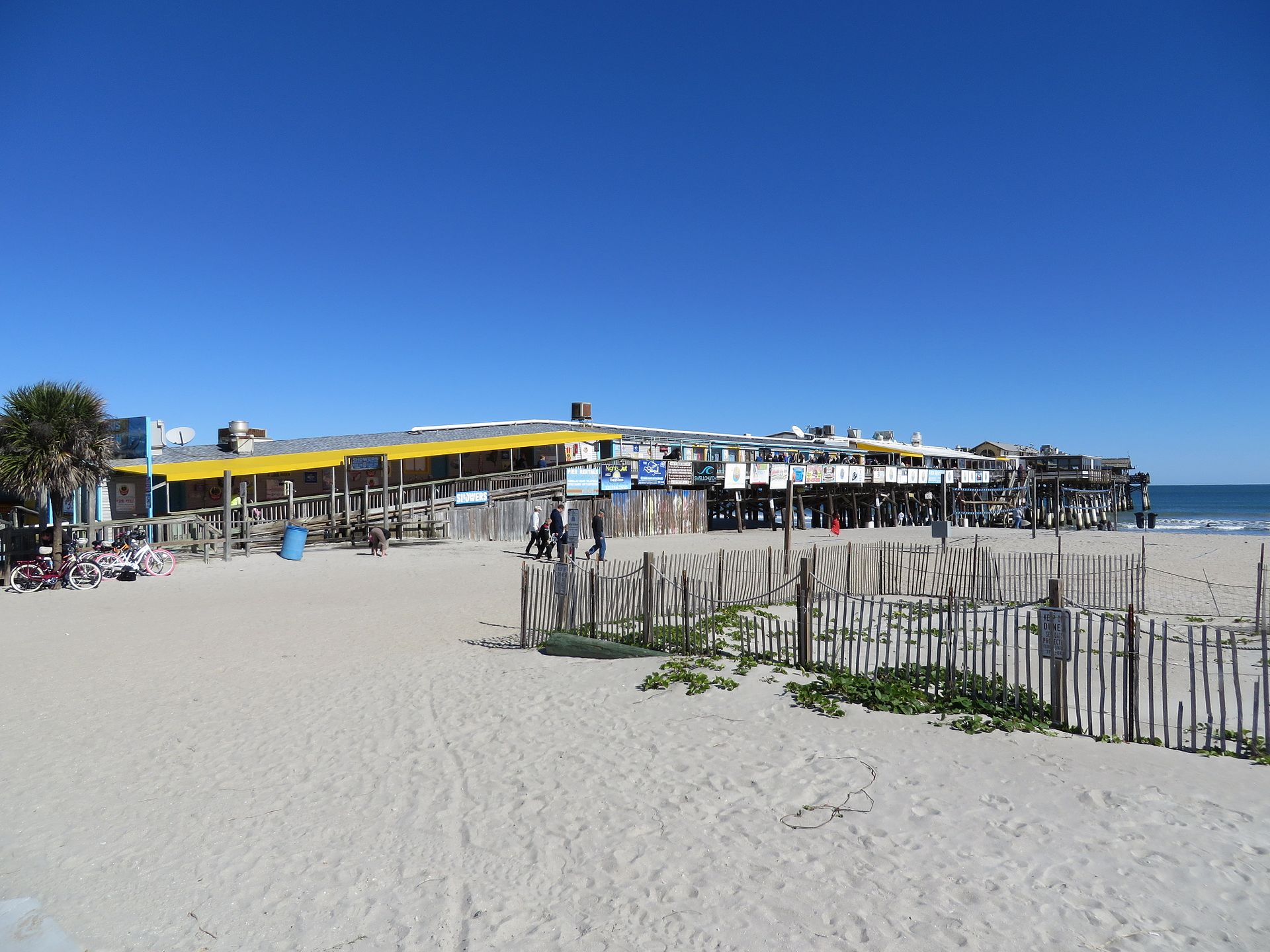
Surfers visiting Cocoa Beach in 2026 know they’re surfing the same breaks Kelly Slater surfed for thirty years. Some go specifically to the same surf spots Slater discussed in interviews. The Cocoa Beach Pier, the south boundary near First Street, the breaks off Lori Wilson Park, these are all “Slater spots” in the casual surf-history sense, even if Slater himself surfs higher-quality breaks now.
His 2026 title in May at age 53 made global news. By that point he was the only surfer over 50 competing at the top level, and the only surfer of any age with 11 championships. The 11th title is unlikely to be matched. It may be his last. Cocoa Beach contributed one of the small handful of athletes in any sport to have dominated for 30-plus years, and that fact is, in the end, the most-defensible piece of the town’s broader sporting identity.
Sources
- World Surf League, Kelly Slater profile, worldsurfleague.com/athletes/15/kelly-slater
- Eastern Surfing Association, surfesa.org
- Kelly Slater, Pipe Dreams: A Surfer’s Journey, ReganBooks/HarperCollins, 2003
- Surfer Magazine and Surfing Magazine archives, Slater coverage 1990 to 2024
- ASP/WSL Championship Tour records, official competitive history
Further Reading
As an Amazon Associate we earn from qualifying purchases.